
chipKIT® Development Platform
Inspired by Arduino™
- Get Started
- Learning
- Products
- Blog
- Beginner
For first time users of chipKIT modules. - Intermediate
For users who have a moderate exposure with chipKIT modules. - Advanced
For users who are experts with chipKIT modules. - Developers
- About Us
- Support
chipKIT Pro and Delays
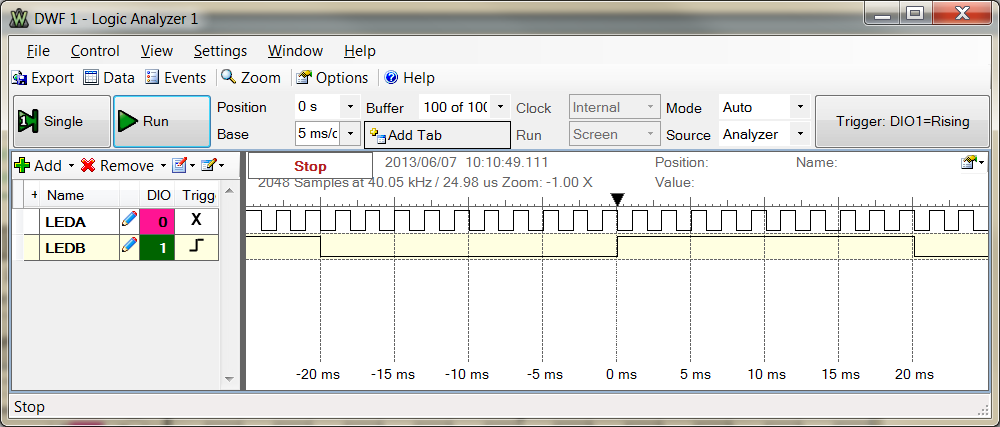
As a follow on to a recent post about chipKIT Pro and I/O Control, the Learn.Digilentinc site has put together a chipKIT Pro and Delays project to teach methods for using software delays in your code. Because the microcontroller executes code so quickly, you may want to slow down the processor to meet the needs of your application. This project
Read more -->chipKIT Pro and I/O Control
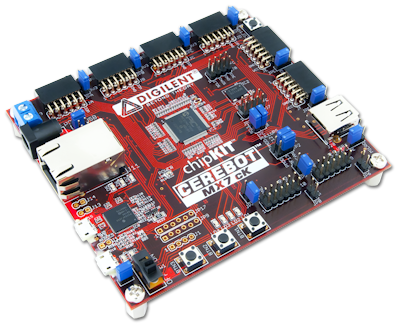
The Learn.Digilentinc site has some useful lessons, not only for beginners, but also for more advanced users of microcontrollers. For those of you who use chipKIT Pro products like chipKIT Pro MX7, Digilent put together the chipKIT Pro and I/O Control project to teach digital input and output using [MPLAB X
Read more -->My first Robot controlled by a chipKIT Max32 using a Microchip PIC32 microcontroller
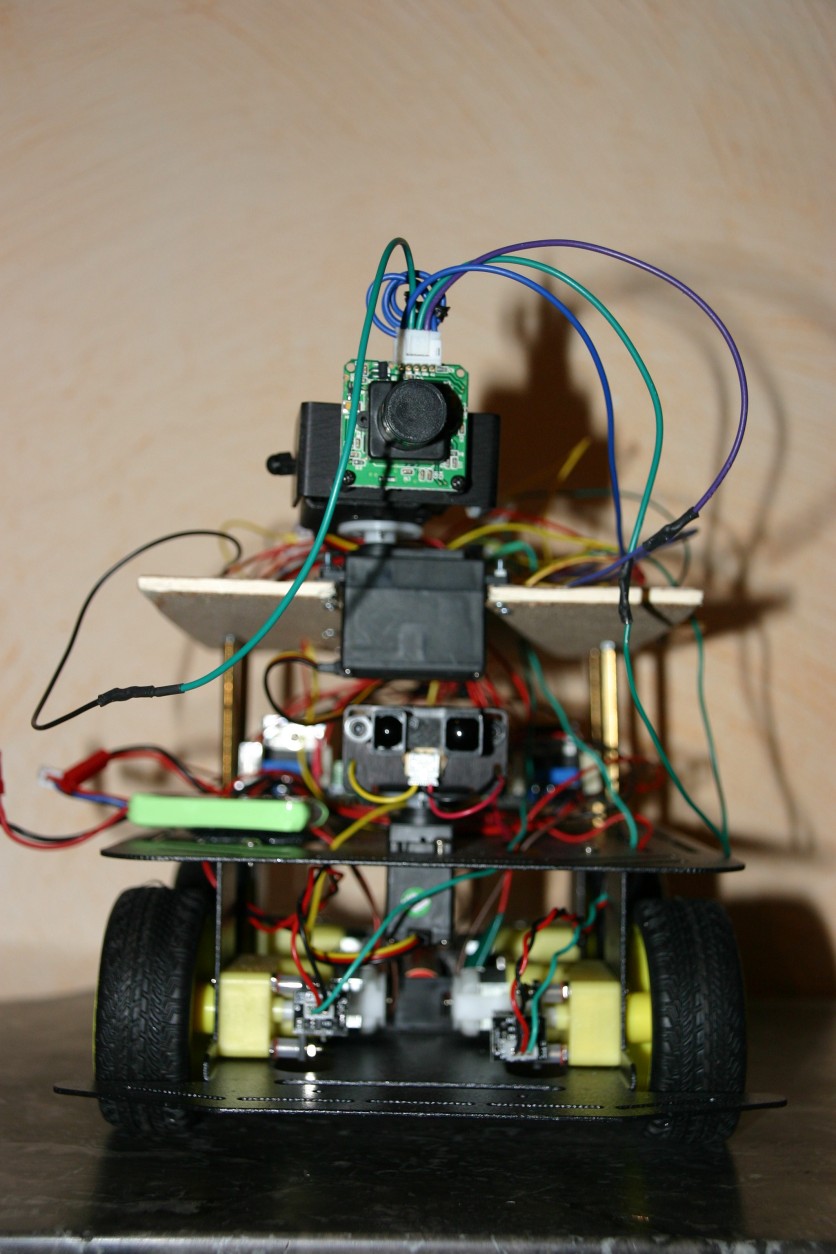
RobotEdh has spent quite some time building himself a chipKIT powered robot. Based on the Baron robot from DFRobot this monster is so packed with features it's a wonder it doesn't collapse under its own weight. Camera, IR sensors, encoders, touch sensors, temperature sensor, LCD screen, WiFi and X-Bee communications. So many things, in fact, that there is no way you could get it all working together on an Arduino.
Read more -->chipKIT-Board Microcontroller Specs
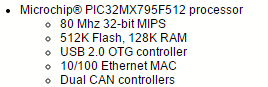
Integrated circuits (ICs), microprocessors, microcontrollers (MCUs)... These are all similar names for devices like the PIC32 device that is the main IC on your chipKIT board. Such devices have many specifications that might make your head spin if you're new to this sort of thing. If you've ever found yourself intimidated when you see a spec list like the one to the left, or perhaps hopeful that someone might explain to you, in layman's terms, what all the technical jargon about microcontrollers REALLY means, then look no further. Josh Woldstad at
Read more -->chipKIT Pi 6502 Simulator
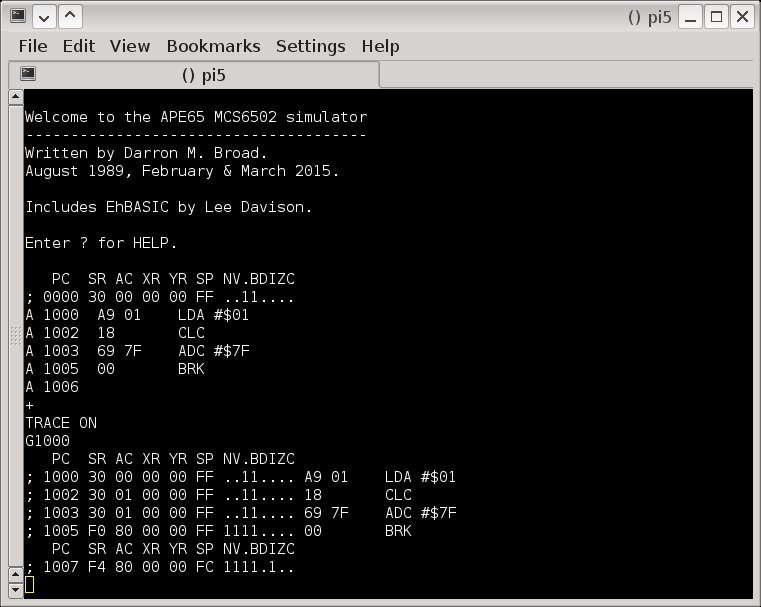
Want to slow down your chipKIT Pi just for fun? Simulate an 8-bit MPU with this "kewl" project that implements a 6502 instruction set simulator on a chipKIT Pi development board. The project was inspired by fond memories of the Commodore Plus/4 and C16 home computers (circa 1984). The simulation includes TEDMON (the machine code monitor) as well as the EhBASIC interpreter. Kudos to Darron M. Broad for creating this cool project!
Read more -->